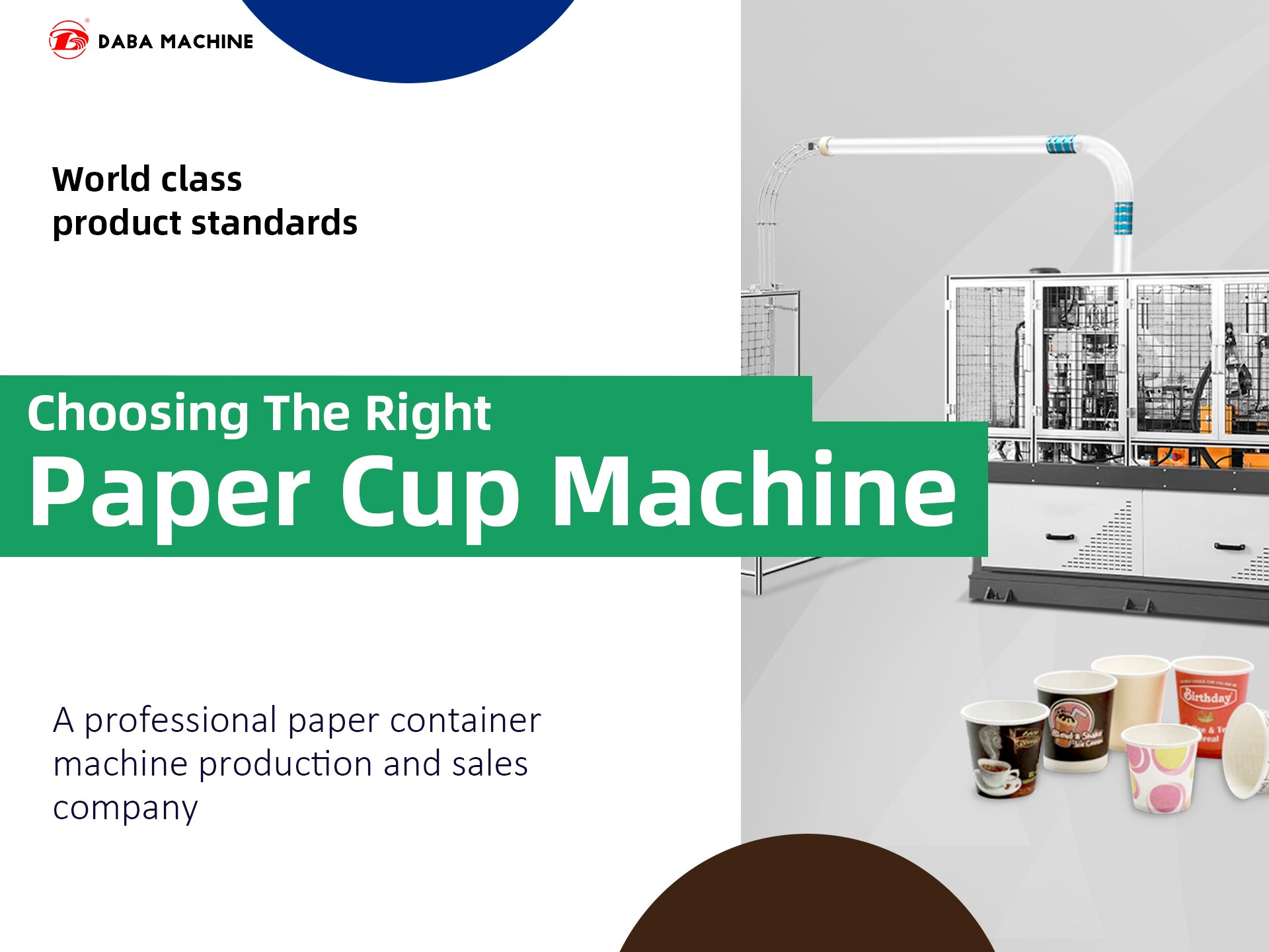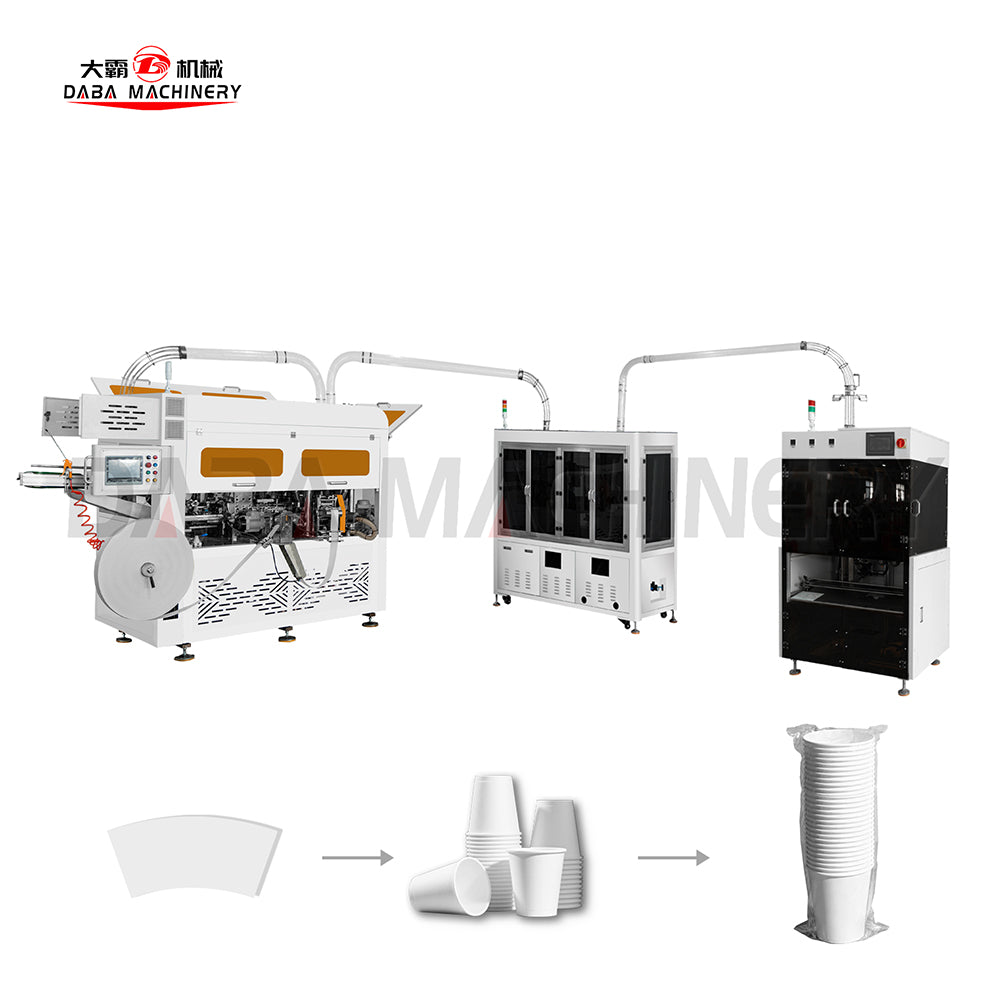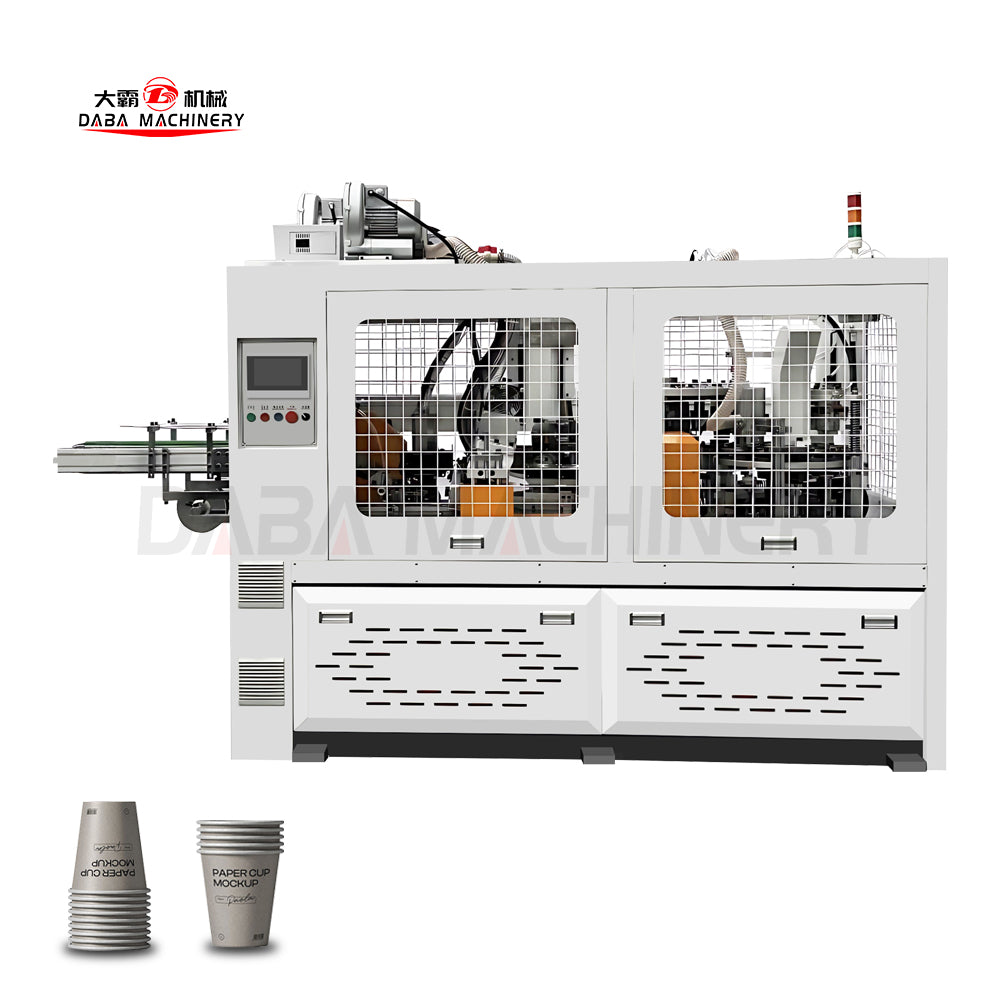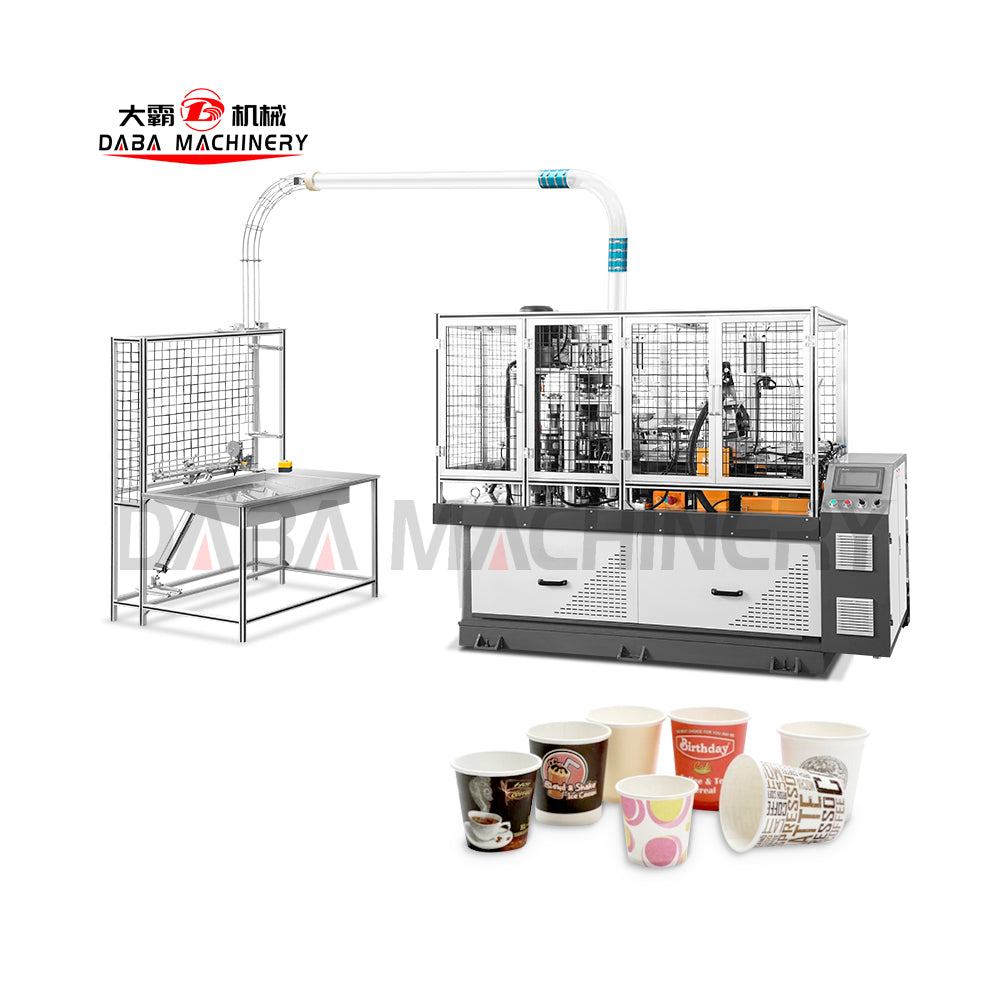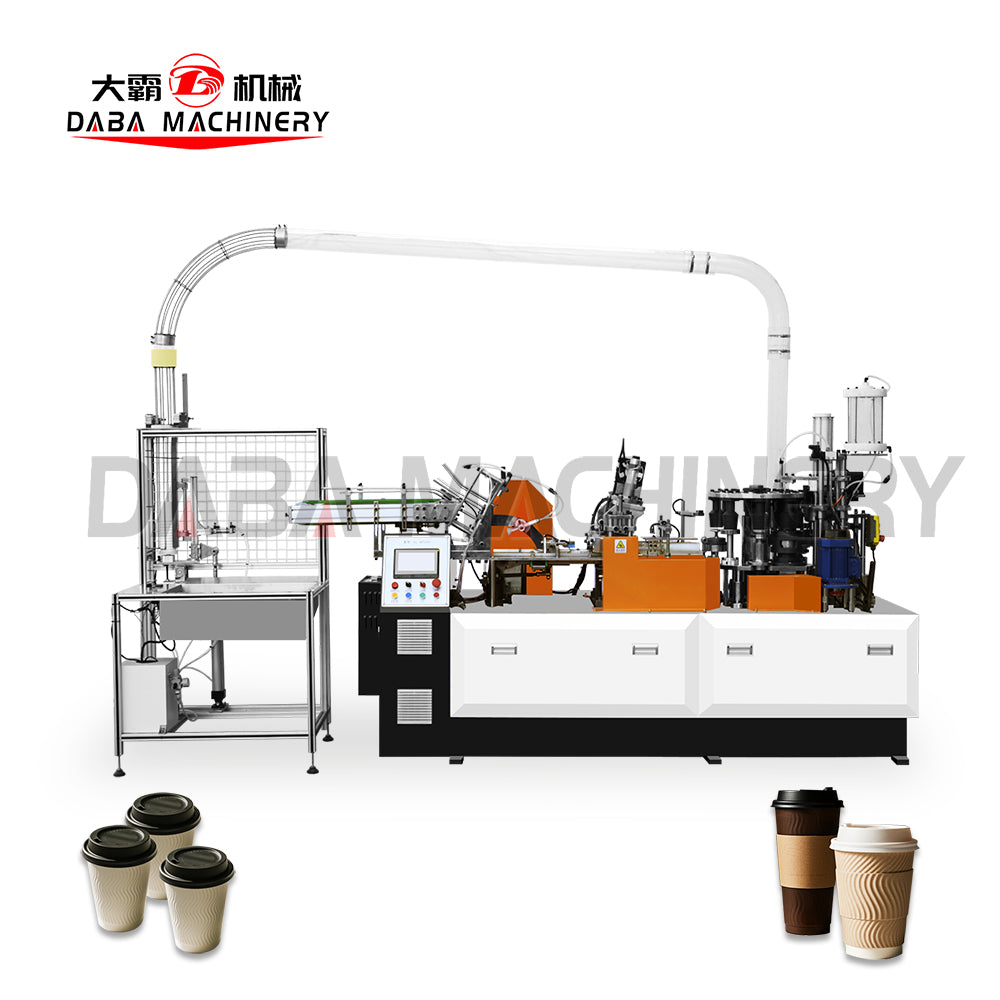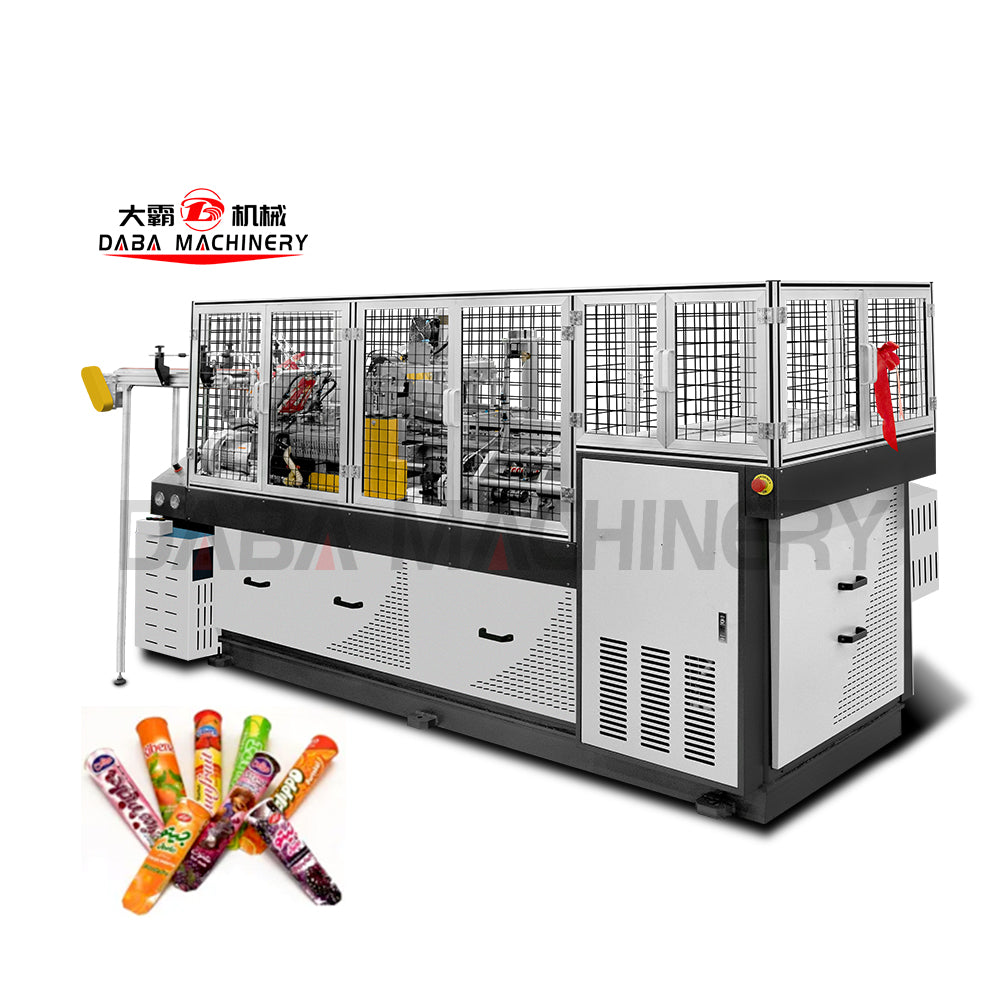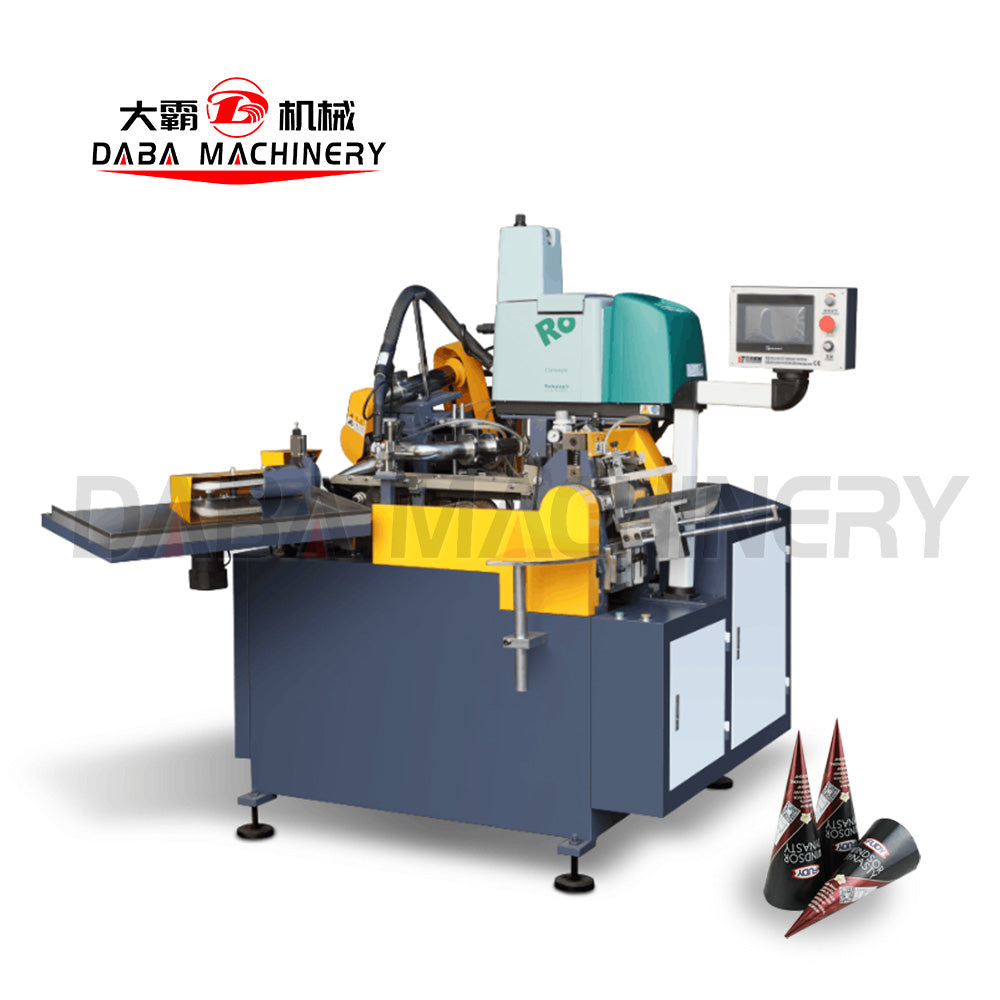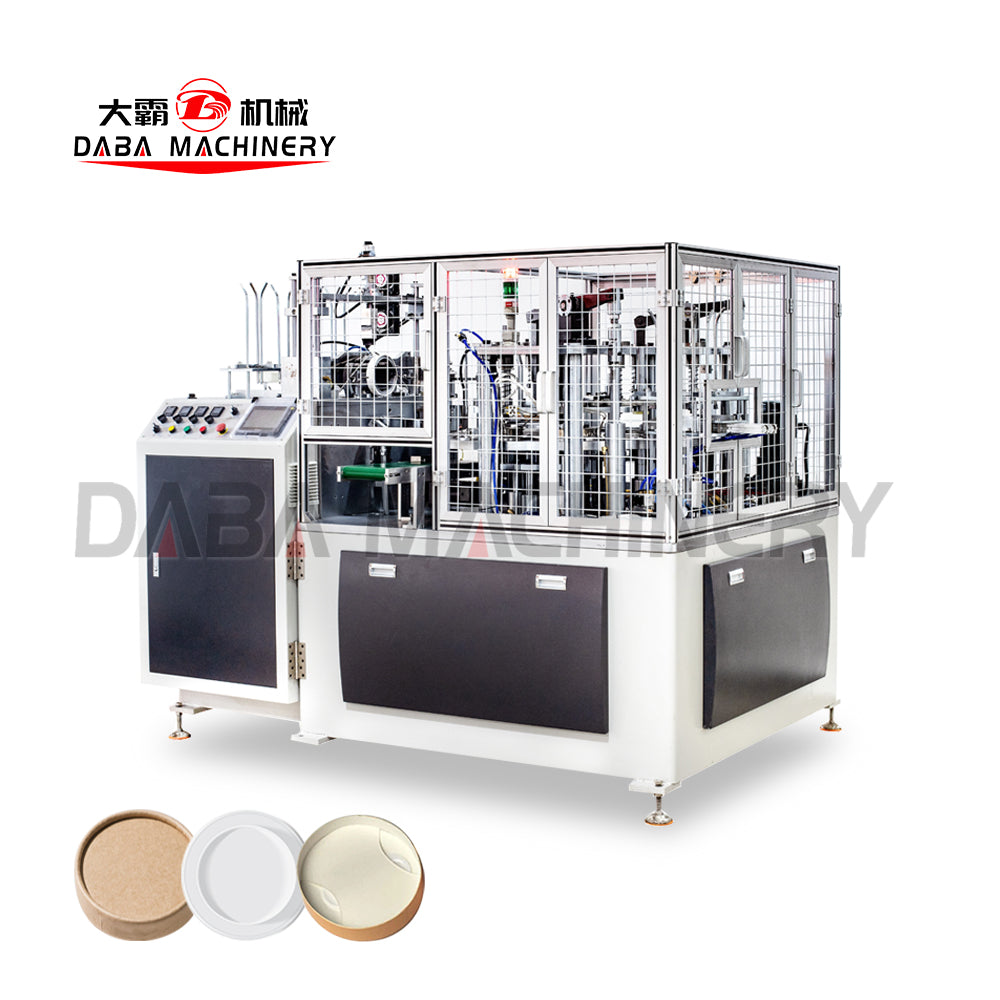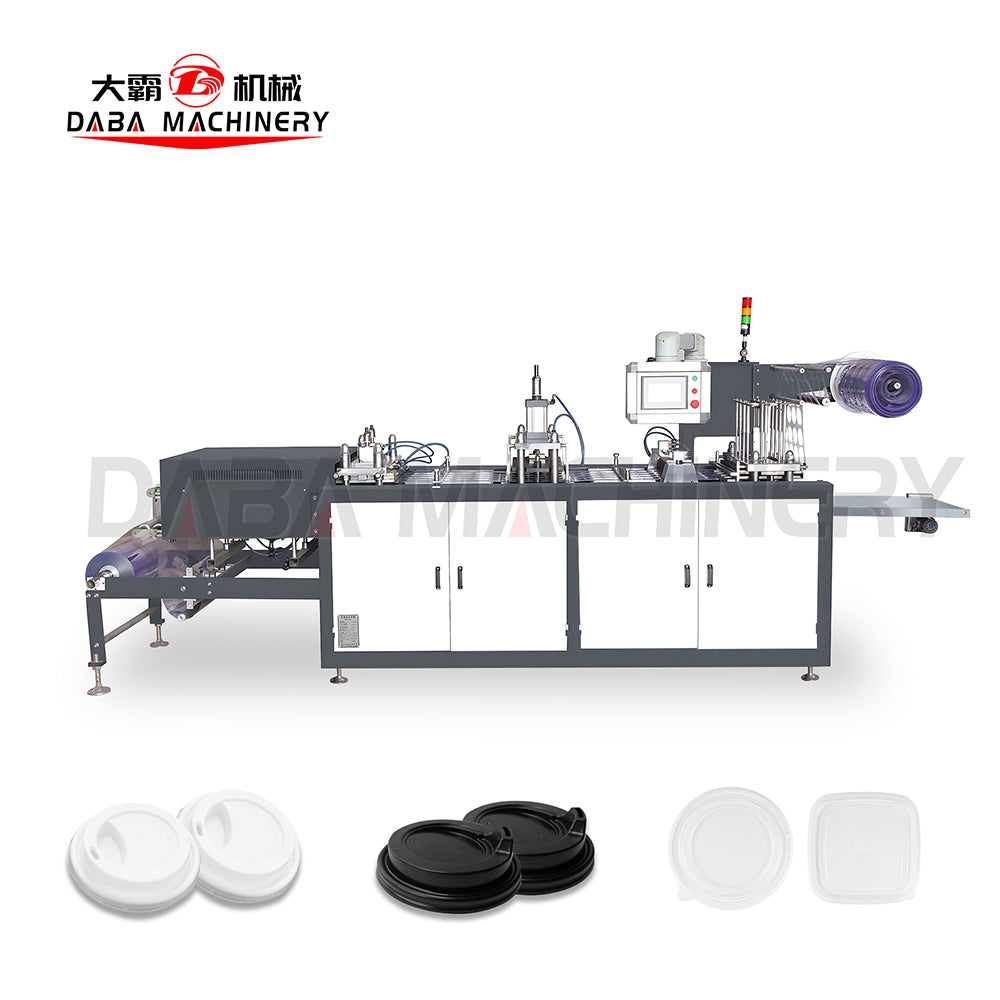

Choosing a paper cup machine is one of the most important decisions for factories entering or expanding in the paper packaging industry. Whether you are producing coffee cups, tea cups, ice cream cups, or cold drink cups, the right machine ensures stable quality, high efficiency, and long-term profitability.
However, with so many models, speeds, heating systems, and configurations on the market, it can be difficult to determine which machine truly fits your needs. This guide will help you understand the key factors to consider before purchasing a paper cup forming machine.
1. Determine the Type and Size of Cups You Want to Produce
Before selecting equipment, clearly define your product requirements:
-
Hot drink cups (coffee, tea)
-
Cold drink cups (juice, smoothies)
-
Ice cream cups
-
Ripple wall or double-wall cups
-
Custom sizes from 2oz to 32oz
The machine’s mold, heating method, and forming system must match these specifications.
A flexible machine should allow:
-
Fast mold change
-
Stable forming across different cup sizes
-
Compatibility with PE/PLA/WCP coated paper
2. Choose the Right Speed Level
Paper cup machines are typically divided into:
-
Low speed: 40–60 cups/min – suitable for startups
-
Medium speed: 70–120 cups/min – most popular for growing factories
-
High speed: 130–180+ cups/min – for large-scale mass production
Higher speed machines require stronger stability, better heating control, and precise servo systems.
Don’t choose speed blindly—match it to your production goals and budget.
3. Heating Method Matters (PE vs PLA vs Water-based coating)
Different coatings require different heating systems:
-
PE coated paper: ultrasonic + hot air heating
-
PLA coated paper: faster and more stable with optimized hot air systems
-
Water-based coating (WCP): requires precise temperature control
A good machine should support all three, ensuring production flexibility as the market shifts toward eco-friendly materials.
4. Consider the Stability of the Forming System
The key to a leak-proof cup is forming stability.
Look for machines with:
-
Reinforced frame structure
-
Precision bottom-knurling system
-
Stable side-sealing system
-
Servo-driven indexing and paper feeding
-
Reliable heating consistency
A durable machine reduces downtime and maintenance costs.
5. Check the Automation Level
Higher automation reduces labor costs and ensures cleaner production.
Suggested features:
-
Photoelectric tracking (for registration accuracy)
-
Counting sensors
-
Automatic lubrication system
-
Automatic bottom feeding
-
Automatic stacking
-
Optional packaging modules
Automation also improves hygiene—critical for food contact containers.
6. Evaluate After-Sales Support and Spare Parts Availability
For overseas buyers, support matters just as much as machine quality.
A reliable supplier should offer:
-
Online technical support
-
On-site installation & training
-
Quick spare parts delivery
-
Long-term maintenance guidance
Good service reduces risk and protects your investment.
7. Total Cost of Ownership (TCO), Not Just Price
A low-priced machine with poor performance can cost more in:
-
Paper waste
-
Downtime
-
Mold issues
-
Repair frequency
A high-quality machine ensures stable output and faster ROI.
Conclusion
Selecting the right paper cup machine requires understanding your production needs, material preferences, automation goals, and long-term business plan.
DABA Machinery provides a full range of paper cup forming machines designed for different cup types, speeds, materials, and market requirements—ensuring stable quality and reliable performance for manufacturers worldwide.