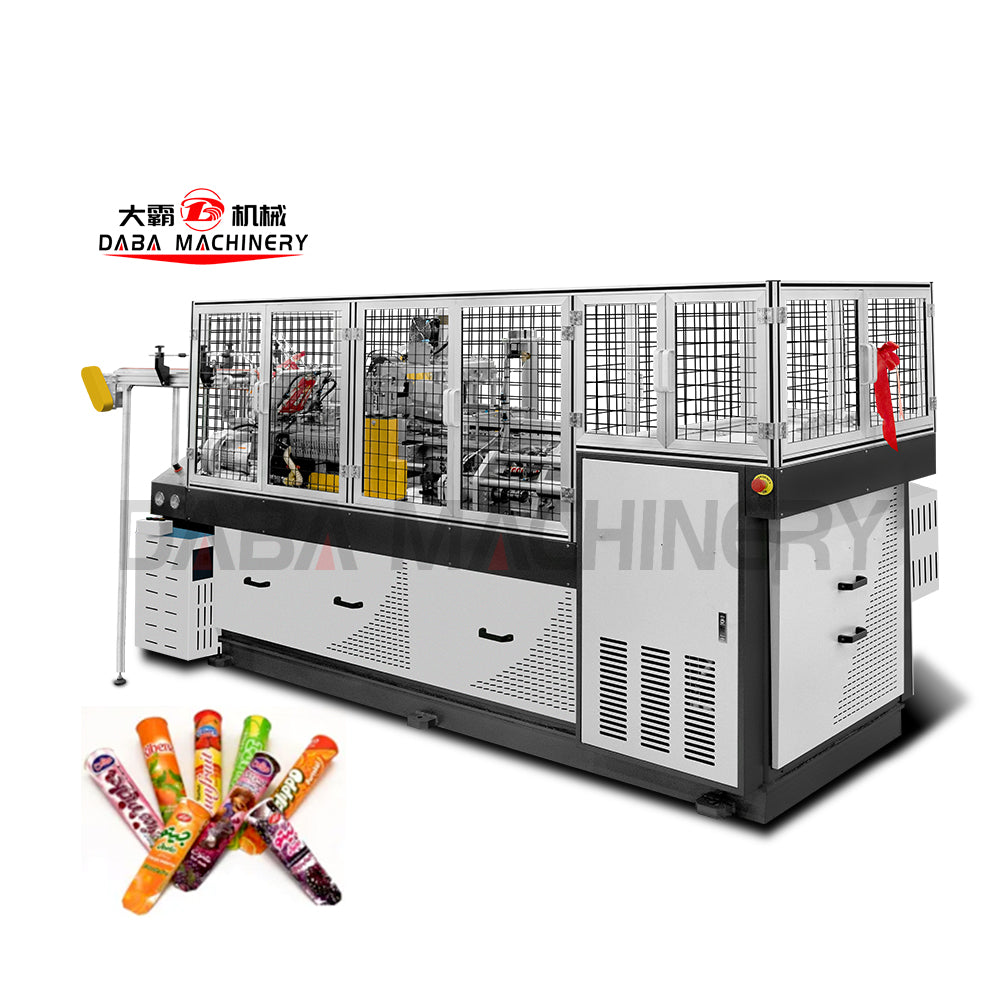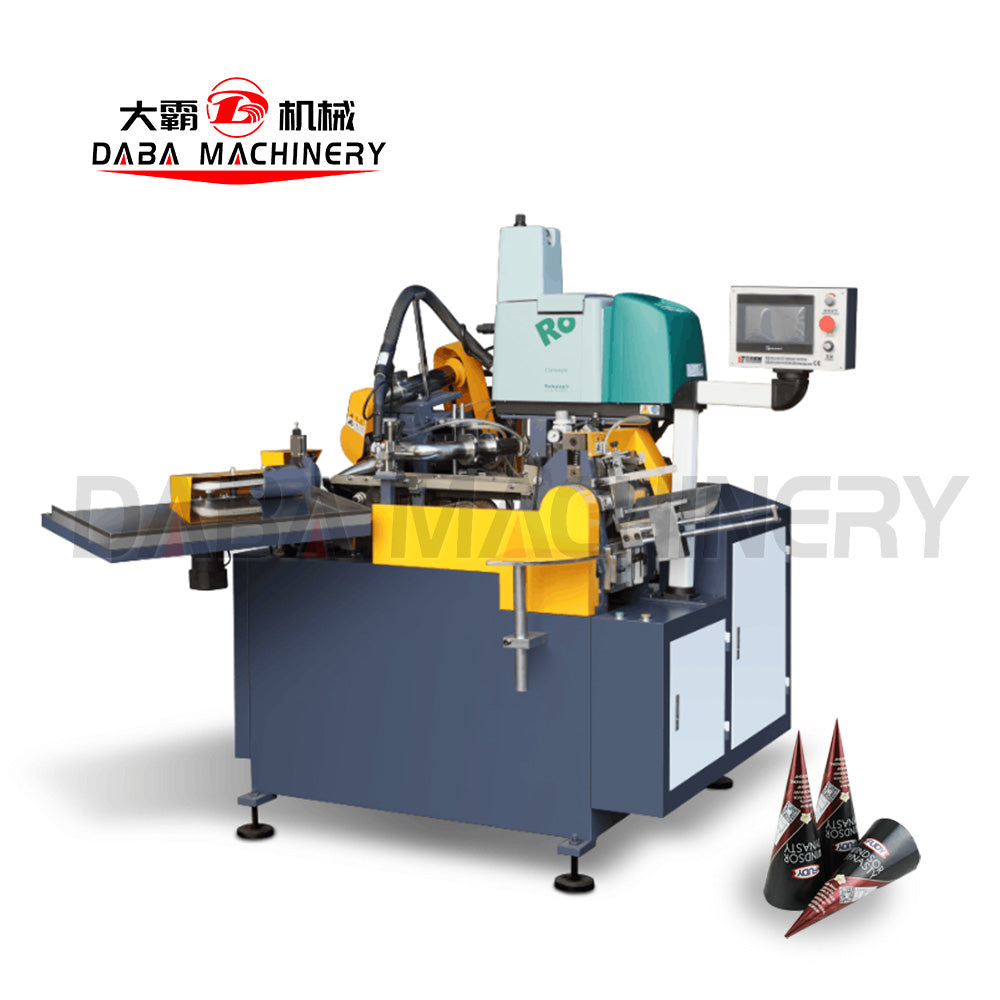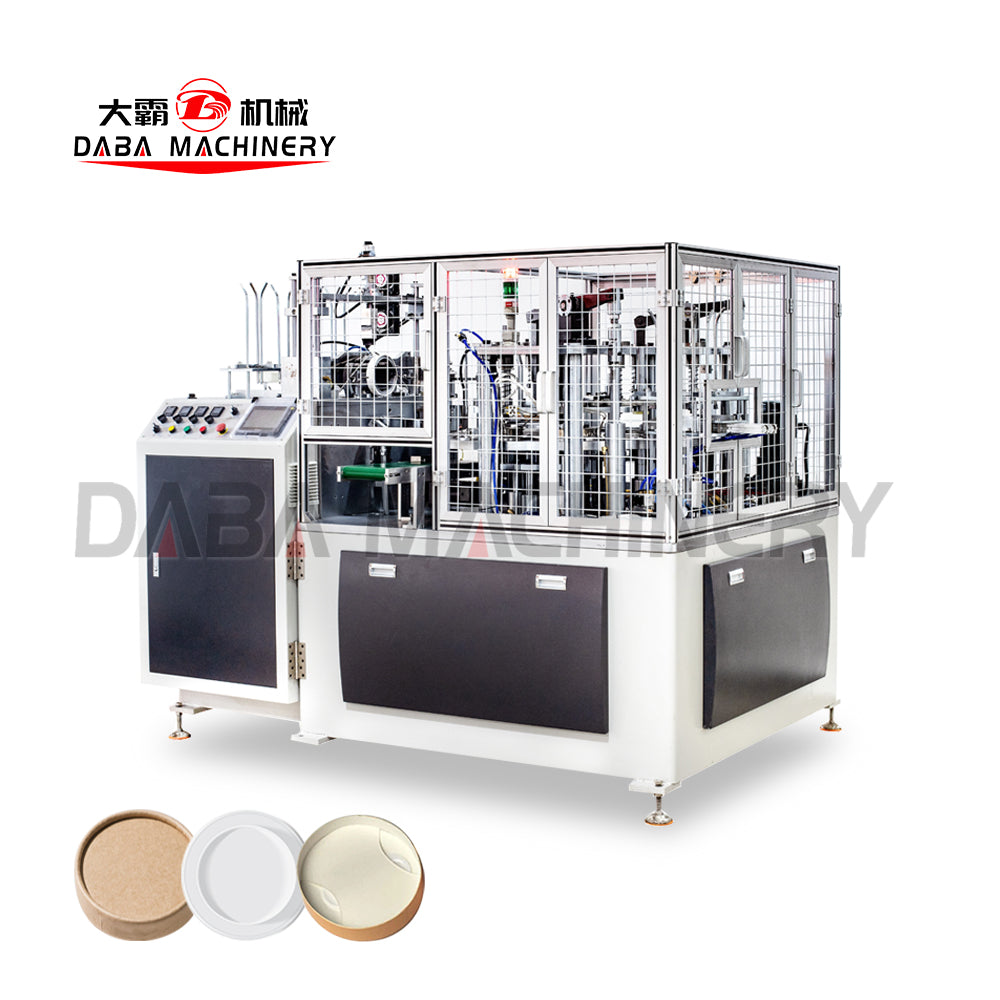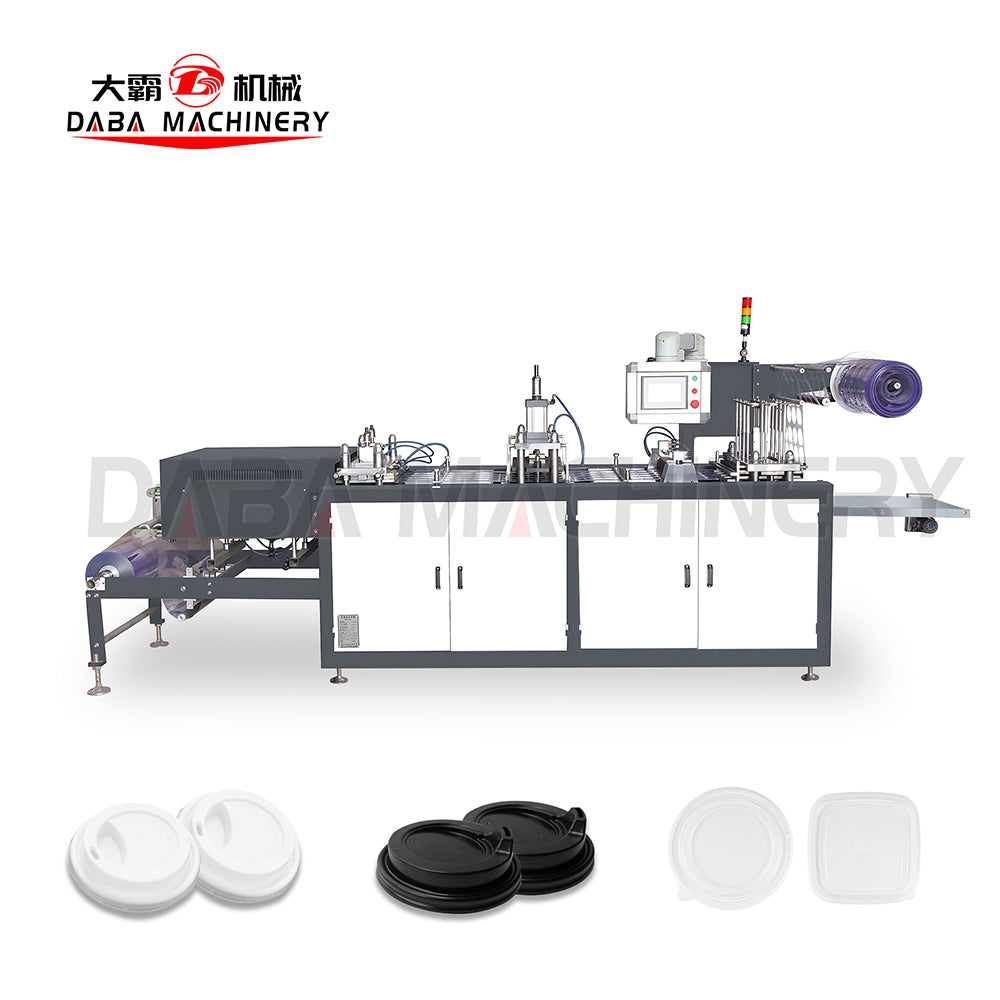

In today’s global foodservice market, food safety has become a central requirement for packaging manufacturers. From international coffee chains to quick-service restaurants and food delivery platforms, brands demand packaging that meets strict regulatory standards. For factories producing paper cups, bowls, plates, and food boxes, choosing the right machinery is directly tied to meeting these standards.
This article explores how global food safety regulations influence equipment selection—and how manufacturers can ensure their production lines stay compliant.
Why Food Safety Regulations Matter
Paper containers often come into direct contact with hot beverages, soups, sauces, or greasy foods. Any quality issue—such as leakage, delamination, odor, ink migration, or contamination—can cause serious consequences for both manufacturers and their clients.
Key regulatory bodies include:
-
FDA (U.S.) – Food Contact Safety Standards
-
EU 1935/2004 – Food Contact Materials Regulation
-
FSC Certification – Responsible paper sourcing
-
BRCGS Packaging Standard – Global safety system for packaging plants
To comply with these standards, your equipment must be capable of producing stable, safe, and hygiene-compliant containers.
1. Equipment Materials Must Be Food-Grade Compatible
High-quality machines use materials and parts that prevent contamination:
-
Stainless-steel contact surfaces
-
Food-safe lubricants
-
Anti-corrosion materials
-
Fully enclosed transmission systems
Choosing a machine built with hygiene in mind ensures your products meet global compliance.
2. Precision Forming Ensures Leakage Resistance
Food safety requires containers that won’t leak or deform.
Your equipment should include:
-
Stable heating systems suitable for PE、PLA、WCP etc
-
Precise bottom sealing
-
Accurate side sealing
-
Reliable knurling
-
Uniform pressure control
Better forming = safer containers.
3. Printing Machines Must Use Food-Safe, Low-Migration Inks
For containers used with hot food or beverages:
-
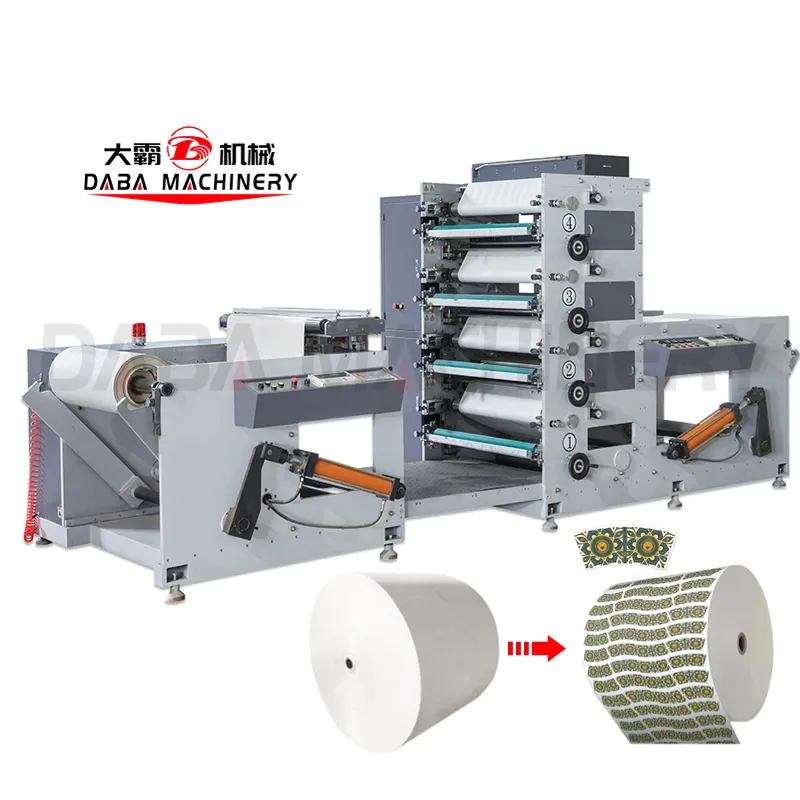
Flexo printing with water-based inks is one of the safest options
-
Ink curing must be stable (no odor, no migration)
-
Registration accuracy impacts brand compliance
This makes your printing machine selection critical.
4. Cutting Accuracy Prevents Sharps and Defects
Poor die-cutting can lead to:
-
Sharp edges
-
Misaligned shapes
-
Micro gaps that cause leakage
Compliant equipment uses high-precision molds and stable pressure control to prevent such defects.
5. Clean Production Environments Require Stable Automation
Regulations increasingly emphasize:
-
Reduced manual contact
-
Clean production zones
-
Sensor-based quality monitoring
Machines with:
-
counting photoelectric sensors
-
tracking eyes
-
automatic waste removal
-
automatic stacking/packaging
…help production lines stay compliant and reduce contamination risk.
Conclusion
Food safety is no longer optional—it defines whether a paper container manufacturer can win major clients. Selecting equipment that meets regulatory requirements is the first step toward producing safe, compliant, and globally accepted packaging.
DABA Machinery integrates food safety compliance into every machine design, helping factories achieve reliable, consistent production that meets global standards